

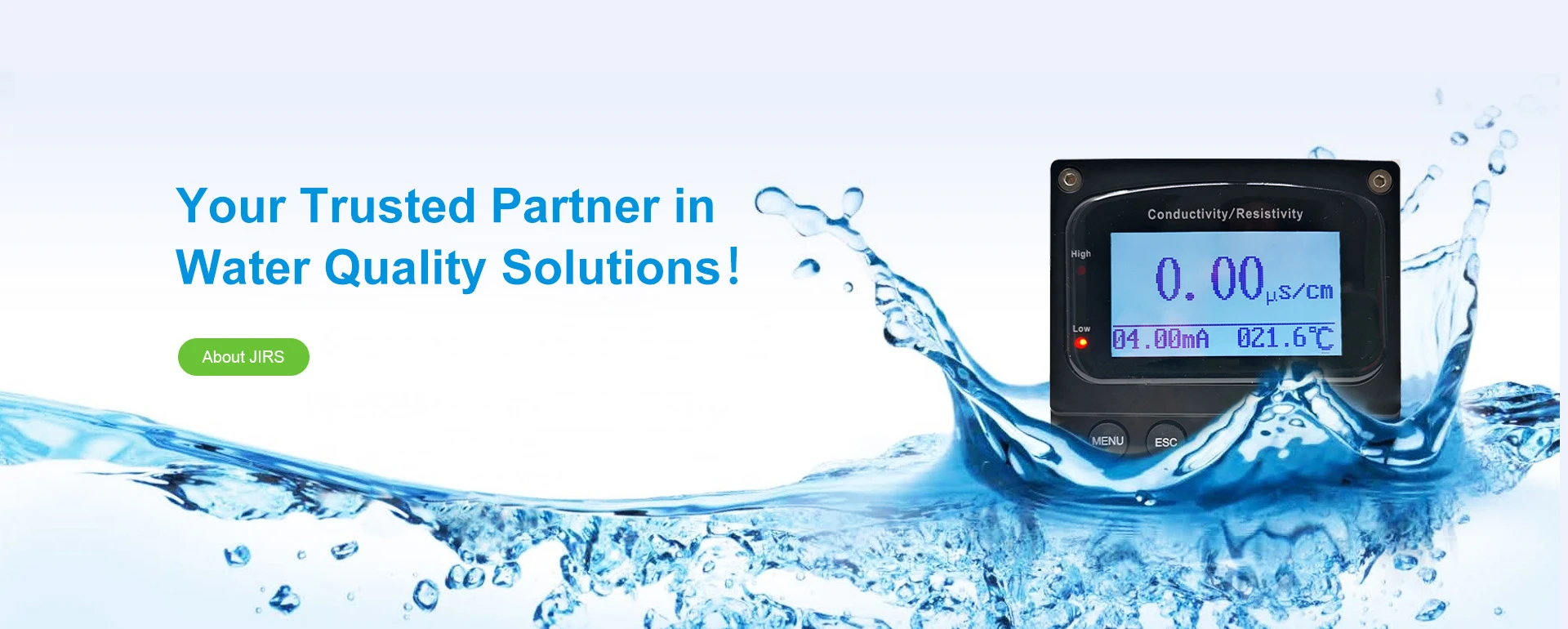
Ensures the high precision,high steady and high efficiency of our machines
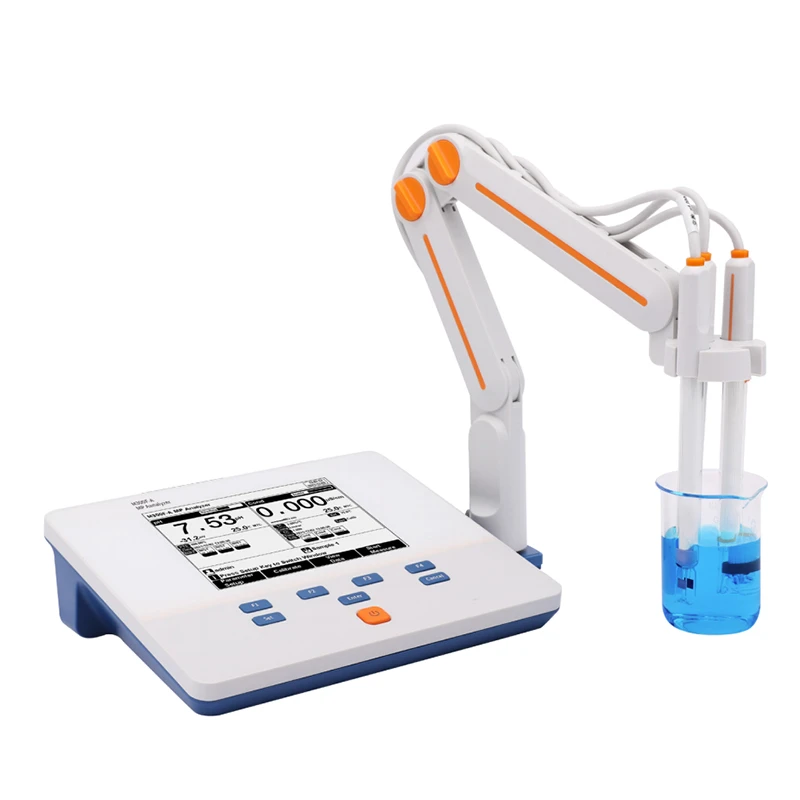
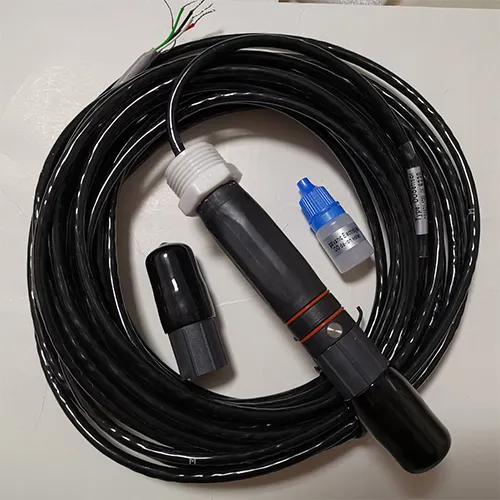
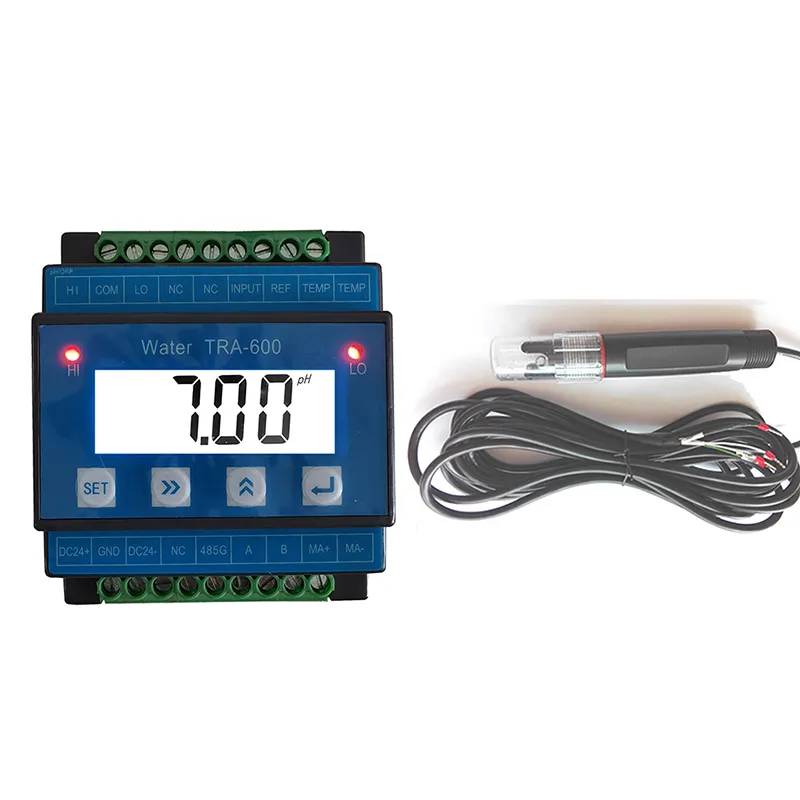
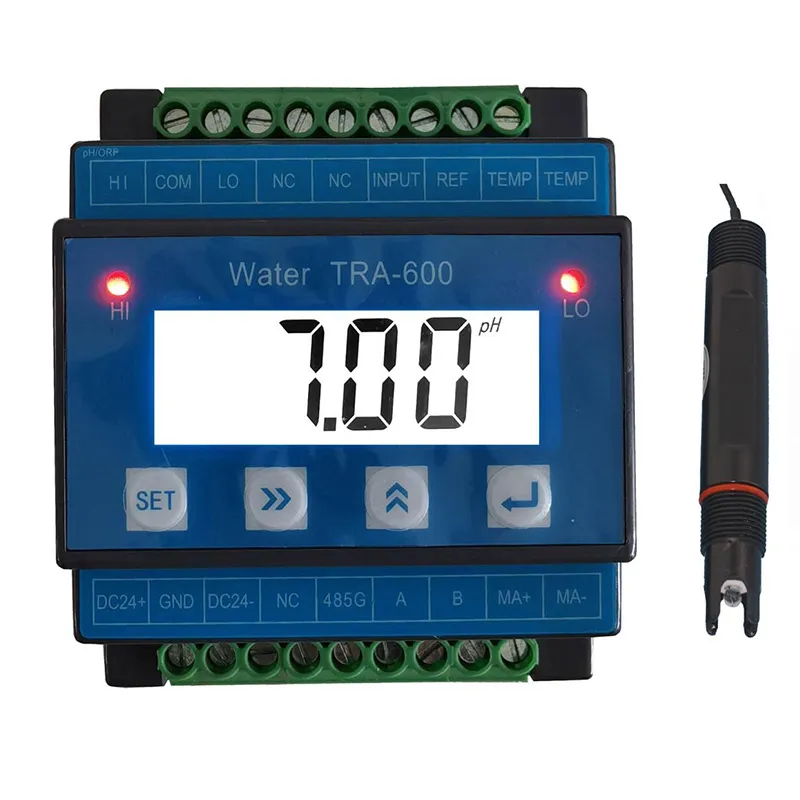
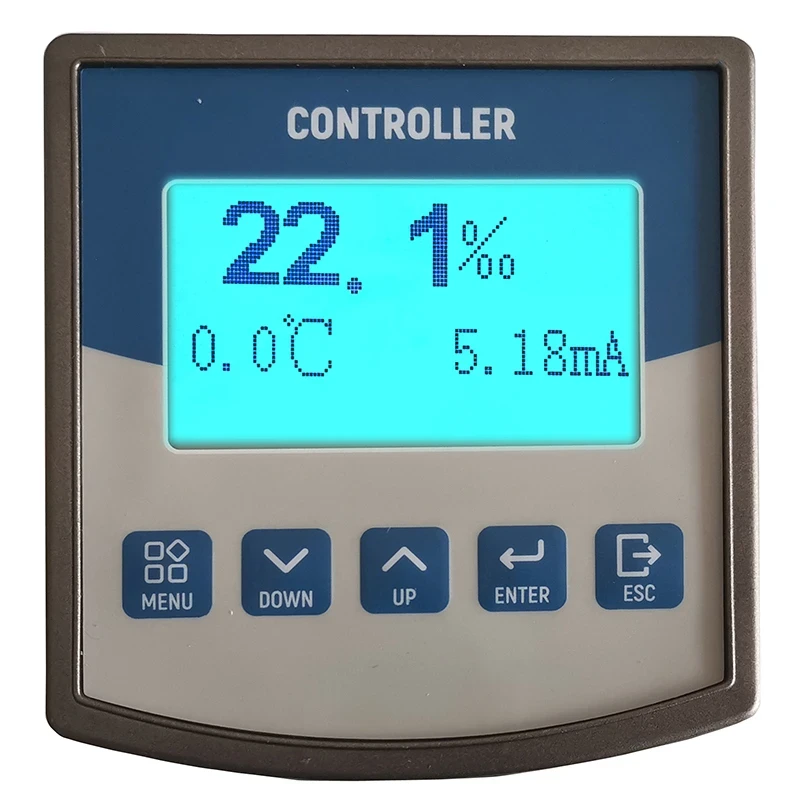
tds meter for drinking water
Understanding the EC/TDS-TRA-600 Online Conductivity/TDS Controller In modern industrial processes, the accurate and continuous monitoring of water quality parameters like electrical conductivity (EC) and total dissolved solids (TDS) is paramount. This precision is crucial for everything from ensuring product quality in manufacturing to optimizing wastewater treatment efficiency and protecting critical infrastructure from scaling or corrosion. At the forefront of this technological advancement is the EC/TDS-TRA-600 online conductivity/TDS controller, a sophisticated instrument designed for demanding B2B applications. This article delves into its core functionalities, technical prowess, and the substantial value it brings to various industries, adhering to the highest standards of expertise and trustworthiness. Current Industry Trends in Conductivity/TDS Monitoring The industrial landscape is rapidly evolving, driven by stringent environmental regulations, a global push for operational efficiency, and the advent of Industry 4.0. Consequently, there's an increasing demand for intelligent, real-time monitoring solutions. Key trends include: Automation and Digitalization: Integration with SCADA and DCS systems for remote monitoring and control, minimizing manual intervention. Enhanced Accuracy and Reliability: The need for sensors that can withstand harsh industrial environments while maintaining high precision over extended periods. Sustainability and Resource Optimization: Precise monitoring helps optimize chemical dosing, reduce water consumption, and ensure compliance with discharge limits, leading to significant cost savings and environmental benefits. Predictive Maintenance: Advanced diagnostics and self-cleaning mechanisms to reduce downtime and maintenance costs. The EC/TDS-TRA-600 series is engineered to meet these evolving demands, providing robust performance and seamless integration capabilities. Technical Specifications: Precision at its Core The EC/TDS-TRA-600 controllers are designed for high-precision measurement, offering a range of features that ensure reliable data acquisition in diverse industrial environments. Key Parameters and Features: Wide Measurement Range: Capable of monitoring conductivity from ultra-pure water applications (e.g., 0-2000 µS/cm) up to highly concentrated solutions (e.g., 0-200 mS/cm), with corresponding TDS ranges. Automatic Temperature Compensation (ATC): Utilizes NTC 10K or PT1000 sensors for accurate readings across varying temperatures, critical for process stability. Robust Housing: Typically IP65-rated enclosures, providing excellent protection against dust and water jets, suitable for harsh industrial settings. Multiple Output Options: Standard 4-20mA analog output for integration with PLC/DCS, and Modbus RTU (RS485) for digital communication. Relay Outputs: Configurable relays for alarm activation or control of external dosing pumps/valves. User-Friendly Interface: Large LCD display with intuitive menu navigation for easy calibration and configuration. Product Specification Table: EC/TDS-TRA600 Series Parameter EC/TDS-TRA-600 Measurement Range (EC) 0-2000 µS/cm, 0-20 mS/cm, 0-4000µs/cm, Measurement Range (TDS) 0-100ppm, 0-1000ppm, 0-2000ppm, 0-9999ppm Accuracy ±1.5% F.S. Temperature Compensation Automatic, 0-100 °C, NTC 10K/PT1000 Output Signal 4-20mA (isolated), Modbus RTU (RS485) Relay Outputs 2 x SPDT (configurable) Power Supply DC 24V Protection Rating IP65 Detailed Manufacturing Process Flow of the EC/TDS-TRA-600 The production of the EC/TDS-TRA-600 controller is a multi-stage process, meticulously designed to ensure product integrity, reliability, and superior performance. Adherence to international quality standards like ISO 9001 is central to every step. Process Schematic: 1. Material Sourcing & Inspection High-grade ABS/PC plastics, 316L stainless steel for electrodes, industrial-grade electronic components. Incoming materials undergo strict quality checks (e.g., spectral analysis for metals, dimensional inspection). 2. Component Fabrication Housing: Precision injection molding of ABS/PC granules. Sensor: CNC machining of 316L stainless steel electrodes; electrode surface treatment. PCB: Automated SMT assembly of electronic components. 3. Sub-Assembly & Integration Mounting of display, buttons, power supply unit, and communication modules onto the main PCB. Sensor assembly and sealing for waterproofing. 4. Calibration & Functional Testing Multi-point calibration using certified conductivity standards (e.g., KCl solutions) traceable to NIST. Comprehensive functional tests for all inputs, outputs, relays, and communication protocols. 5. Environmental & Durability Testing Burn-in testing for electronic stability. Environmental stress tests (temperature cycling, humidity). IP65 ingress protection verification. Compliance testing (e.g., CE, FCC for EMC). 6. Final Assembly & Packaging Enclosure sealing, final visual inspection, firmware upload. Packaging with user manual, mounting accessories, and calibration certificates. This rigorous process ensures a service life often exceeding 5-7 years in continuous operation, with minimal maintenance. Target Industries & Advantages: Petrochemical: Monitoring cooling tower water to prevent scaling and corrosion (corrosion resistance), extending equipment life. Metallurgy: Ensuring water quality in tempering and quenching processes for consistent product quality. Water Supply & Drainage: Real-time monitoring of raw water intake and treated effluent for regulatory compliance and process optimization (energy saving through efficient chemical usage). Power Generation: Monitoring boiler feed water conductivity to prevent turbine damage from impurities. Food & Beverage: Ensuring proper CIP (Clean-In-Place) rinse cycles, minimizing water and chemical usage. Application Scenarios and Technical Advantages The versatility of the EC/TDS-TRA-600 controller makes it an indispensable tool across numerous critical applications. Its technical advantages translate directly into operational efficiencies and cost savings for B2B clients. Typical Application Scenarios: Reverse Osmosis (RO) Systems: Monitoring permeate and concentrate streams to optimize membrane performance, predict cleaning cycles, and detect membrane fouling or damage. Cooling Towers: Controlling blowdown rates based on TDS levels to prevent scaling and reduce water consumption, leading to significant energy and water savings. Boiler Feed Water: Ensuring ultra-low conductivity to prevent corrosion and scale buildup in high-pressure boilers, protecting expensive equipment and ensuring consistent steam quality. Wastewater Treatment: Monitoring effluent quality for discharge compliance and optimizing chemical dosing for coagulation/flocculation. Chemical Production: Inline process control for specific chemical concentrations, ensuring product consistency and quality. Core Technical Advantages: High Measurement Stability: Advanced electrode design and robust signal processing minimize drift and interference, ensuring long-term accuracy. Advanced Temperature Compensation: Utilizes sophisticated algorithms to accurately compensate for temperature fluctuations, which significantly impact conductivity readings. Flexible Calibration: Supports both single-point and multi-point calibration, allowing for precise adjustment across various ranges. Multi-functional Control: PID control capabilities in the 600 series allow for sophisticated process control, optimizing chemical injection or flow rates. Data Logging & Communication: Modbus RTU interface enables seamless integration with plant control systems, facilitating data logging, trending, and remote diagnostics. User-Friendly Maintenance: Features like self-cleaning sensor options and diagnostic functions reduce manual upkeep and extend sensor lifespan. Vendor Comparison and Customized Solutions When selecting an online conductivity/TDS controller, decision-makers evaluate a multitude of factors beyond just technical specifications. Reliability, support, and the ability to tailor solutions are paramount. Vendor Comparison Overview: Feature/Criterion EC/TDS-TRA-600 (Our Solution) Typical Competitor A Typical Competitor B Measurement Accuracy ±1.0% F.S. (600 series) ±1.5% F.S. ±0.5% F.S. (premium model) Temperature Compensation Automatic (NTC/PT1000) Automatic (NTC) Automatic (PT1000) Communication Protocols 4-20mA, Modbus RTU (RS485) 4-20mA only 4-20mA, HART, Profibus (optional) Control Functions On/Off, PID (600 series) On/Off PID Enclosure Rating IP65 IP54 IP66 Ease of Use/Installation High (intuitive UI, modular design) Medium Medium-High After-Sales Support Excellent (Dedicated tech support, warranty) Standard Good This table highlights the competitive edge of the EC/TDS-TRA-600 , especially its balance of high accuracy, robust communication, and comprehensive control features, often surpassing entry-level competitors and competing favorably with high-end systems on value. Customized Solutions: Tailored to Your Needs Recognizing that every industrial application has unique requirements, customization is a core offering. For the EC/TDS-TRA-600 , this can include: Sensor Options: Choice of cell constants (K=0.01, 0.1, 1.0, 10.0) and materials (316L SS, Titanium, Platinum black) to suit different conductivity ranges and aggressive chemical environments. Mounting Configurations: Flow-through, immersion, or inline mounting accessories to integrate seamlessly into existing piping or tanks. Communication Adaptations: Integration with specific fieldbus protocols (e.g., Profibus, Ethernet IP) upon request for complex distributed control systems. Software Customization: Tailored firmware for specific control logic or specialized calibration routines. Application Case Studies: Real-World Impact The deployment of the EC/TDS-TRA-600 has consistently delivered measurable improvements in efficiency, compliance, and cost reduction across various industries. Case Study 1: Large-Scale Brewery - CIP Optimization A major brewery implemented the EC/TDS-TRA-600 in their Clean-In-Place (CIP) rinse water lines. Previously, rinse cycles were timed, leading to excessive water consumption. By monitoring the conductivity of the rinse water in real-time, the system automatically detected when the residual caustic/acid cleaning solutions were adequately flushed, signaling the end of the rinse cycle. Outcome: Achieved a 20% reduction in water consumption for CIP, leading to annual savings of approximately $50,000 in water and wastewater treatment costs. Product quality consistency also improved due to more effective rinsing. Case Study 2: Municipal Wastewater Treatment Plant - Effluent Monitoring A municipal wastewater treatment plant faced challenges in consistently meeting effluent discharge standards for TDS, often leading to non-compliance fines. By installing the EC/TDS-TRA-600 at multiple stages of their treatment process, including the final effluent, they gained continuous insight into dissolved solids levels. Outcome: Real-time data allowed operators to adjust aeration, chemical dosing, and clarifier operations proactively. This resulted in a 95% reduction in compliance violations related to TDS and optimized chemical consumption by 15%, saving over $30,000 annually in operating costs. Case Study 3: Semiconductor Manufacturing - Ultrapure Water Quality A leading semiconductor fabrication plant requires extremely high-purity water (UPW) for critical rinsing stages. Even minute levels of dissolved solids can cause defects. Integrating the EC/TDS-TRA-600 with a low cell constant sensor (K=0.01) into their UPW loop provided continuous, high-resolution monitoring. Outcome: The system immediately flagged any deviations from the conductivity setpoint, allowing for rapid intervention to prevent contamination. This proactive monitoring reduced product reject rates by 5% and improved overall manufacturing yield, demonstrating the critical role of precise conductivity control in high-tech industries. Ensuring Trustworthiness: Support and Guarantees Frequently Asked Questions (FAQ): Q: How often does the EC/TDS-TRA-600 require calibration? A: Calibration frequency depends on the application's demands for accuracy and the water matrix. For most industrial applications, quarterly or bi-annual calibration is sufficient. For critical applications (e.g., ultrapure water), monthly checks are recommended. The controller features easy, guided calibration procedures. Q: Can the EC/TDS-500/600 integrate with existing PLC systems? A: Yes, absolutely. Both models feature an isolated 4-20mA analog output, which is a universal standard for industrial control systems. Additionally, the Modbus RTU (RS485) digital communication protocol provides a robust and flexible option for integration with modern PLCs, DCS, and SCADA systems. Q: What kind of maintenance does the EC/TDS-TRA-600 require? A: The controller unit itself requires minimal maintenance, primarily ensuring its environment is free from excessive moisture or extreme temperatures within its operating range. Sensors, however, may require periodic cleaning, depending on the process water's fouling potential. Optional automatic cleaning systems can further reduce manual maintenance. Q: Is the EC/TDS-500/600 suitable for high-temperature applications? A: The controller itself operates within standard industrial temperature ranges. However, compatible conductivity sensors are available that can withstand process temperatures up to 150°C (302°F), ensuring robust performance even in demanding hot water or steam condensate applications. The automatic temperature compensation feature ensures accurate readings across the entire operational temperature range. Lead Time & Fulfillment: We maintain efficient manufacturing processes and a robust supply chain to ensure prompt delivery. Standard lead time for the EC/TDS-TRA-600 controllers is typically 2-4 weeks. Expedited shipping options are available for urgent requirements, and large project orders are managed with dedicated planning to meet agreed-upon schedules. Warranty Commitments: All EC/TDS-TRA-600 controllers come with a comprehensive 12-month warranty from the date of purchase, covering defects in materials and workmanship. This warranty reflects our confidence in the quality and durability of our products, backed by rigorous ISO-certified manufacturing and testing procedures. Extended warranty options are also available. Customer Support Information: Our commitment to our clients extends far beyond the sale. We offer dedicated technical support, available via phone and email, to assist with installation, calibration, troubleshooting, and application-specific inquiries. Our team of experienced engineers is ready to provide expert guidance and ensure optimal performance of your EC/TDS-TRA-600 controller. We also provide comprehensive user manuals and online resources. Conclusion The EC/TDS-TRA-600 online conductivity/TDS controller represents a pinnacle in industrial water quality monitoring. Its precision engineering, robust design, and advanced features make it an ideal solution for businesses striving for operational excellence, regulatory compliance, and sustainable practices. By providing real-time, accurate data and flexible control options, it empowers industries to optimize processes, reduce costs, and enhance product quality effectively. References: Smith, J. A., & Jones, R. B. (2022). "Advancements in Online Water Quality Monitoring for Industrial Processes." Journal of Environmental Technology and Innovation, 15(3), 201-215. Environmental Protection Agency (EPA). (2021). "Guidelines for Industrial Wastewater Discharge." EPA Report No. 821-R-21-002. International Organization for Standardization (ISO). (2015). "ISO 9001: Quality management systems – Requirements." Liu, P., & Wang, L. (2020). "Impact of Conductivity Control on Boiler Efficiency and Lifespan." Proceedings of the International Conference on Energy Engineering, 45, 123-130. Water Quality Association (WQA). (2023). "Total Dissolved Solids (TDS) Fact Sheet." WQA Technical Briefs.
Latest News
2026-04-06 02:03
```html Pressure Switch - Hebei JIRS Import & Export Co., Ltd. Pressure Switch: Precision and Reliability in Industrial Applications Discover the advanced Pressure Switch by Hebei JIRS Import & Export Co., Ltd., designed for safety, efficiency, and durability in critical systems. Introduction to the Pressure Switch The LF55 Pressure Switch is a critical component in industrial and commercial syste
2026-04-06 00:02
Introduction to Pressure Switches in Industrial Applications In complex industrial environments, the precise monitoring and control of fluid pressure are paramount for operational efficiency, safety, and system longevity. At the heart of such critical control systems lies the Pressure Switch . This electromechanical device acts as a safeguard and an operational trigger, converting a specific fluid
2026-04-06 01:29
The LF55 Pressure Switch from Hebei JIRS Import & Export Co., Ltd. represents a cutting-edge solution in pressure control technology. Designed for reliability and precision, this device is engineered to meet the demands of modern industrial applications. In this article, we will explore the product's features, technical specifications, and its role in ensuring operational safety across various ind
